
Bikes are revolutionary
An interview with Ronnie Wollenzier about Tucson art-punk-bike collective BICAS, and the liberatory power of traveling on two wheels.
Tucson has always had a rich bike culture, owing to its warm weather and relatively flat city center, surrounded by mountainous roads for the more adventurous. Cyclists populate every layer of the city's social strata, from the weekend warriors muscling up the foothills to the working class who rely on their bikes to get to work and just about anywhere else. For many, particularly the unhoused or otherwise financially imperiled, bikes are nothing short of a lifeline, a tool for surviving a world that demands constant economic input when you are left with not a whole lot to put in.
Riding a bike is a kind of cheat code that grants us permission to navigate the physical world with some speed, but without paying the usual tolls of resource extraction, expensive car payments, or the horror of hurtling across the asphalt in a cocoon of metal and plastic. If driving brings out the worst in us, biking often brings out the best, generating speeds fast enough to demand, but slow enough to allow, attention to the world around us.
Biking can also be scary. Our world is, by design, not built for transportation that does not feed upon fire and combustion. In addition to neglect, cycling's too reasonable speeds attract outright hostility—the audacity of taking up streetspace with anything but a car is often treated as an annoyance or even a menace. Cyclists must look out for themselves and each other. As a result, there's a certain amount of camaraderie, but also insularity in bike culture, its contours shaped by the kind of bike you ride, how fast you can pedal, what clothes you wear, or how much you know about cranksets and derailleurs.
The fear of injury, the intimidation, and the potentially pricey cost of entry can prevent people from accessing the beautiful cheat code that is a bike, but the very best of bike culture strives to share it with as many people as possible. For over 35 years, a local collective has been advancing the liberatory power of the bicycle, especially for low-income and unhoused Tucsonans. Bicycle Inter-Community Arts and Salvage, or BICAS, is a worker-directed nonprofit that believes in "bicycles and other human-powered machines as essential vehicles for transportation justice."
BICAS is an art gallery, a store, a mechanic shop, an education center, and a big warehouse stuffed with used bikes, bike parts, and welded-together mutant creations. Its array of community programming includes:
• Community Tools providing access to a fully equipped bike repair shop and assistance from mechanics for a small hourly fee.
• A Work-Trade Program that allows anyone to help out around the shop in exchange for credit toward repair or purchase.
• Earn a Bike, where participants combine work-trade with repair classes to refurbish and take home a bike from the warehouse.
• Youth drop-in hours and multi-session courses during school breaks.
• Crafternoons, where people are welcome to drop in and get creative with bike parts and art materials.
• WTF workshops, which offer free and exclusive access to Community Tools for women, trans, femme, genderqueer, and nonbinary community members.
One of the people responsible for guiding and expanding that programming is Ronnie Wollenzier, volunteer and outreach coordinator, who I am lucky enough to call a friend and fellow mutual aid organizer with Community Care Tucson. Ronnie is the baddest-ass former preschool teacher you'll ever meet. I will never forget the time I saw her break up a fight between two men each twice her size and walk away totally unfazed. She is also an incredibly creative and savvy organizer, one of those people who always brings at least one great idea to the meeting, while helping to develop ideas others are raising.
I sat down with Ronnie to talk about BICAS, Tucson's bike culture, and why she thinks bikes are revolutionary. You can donate to BICAS here.
I want to talk about you first, if that's okay. So tell me where you come from and how you ended up in Tucson.
So I originally grew up in Southern California, and I found my way to Arizona to go to ASU. I lived in the Phoenix metro area for eight years, and I thought I loved it. You know, I could never afford to go back to California, and I was making roots in Phoenix. It was very affordable. There were concerts and great restaurants and whatever.
Flash forward to 2019, I kind of became disillusioned with my career as a preschool teacher. I found my way to abolition while I was teaching, because y'all, let me tell you, the school-to-prison pipeline starts as early as three years old. I was a bright-eyed and bushy-tailed young professional and really excited to be in the classroom. But everything I had just learned about the way that young people learn was not happening in schools. I saw indoctrination. I saw children being shamed and punished. There was no eagerness to support working families. And I just hated it. It felt icky to my spirit. So I became disillusioned with teaching, and especially teaching in Arizona—and capitalism.
Now, 2020, we're at the pandemic. I didn't realize how much of the allegations of election fraud in 2020 were focused on Maricopa County, specifically. It's the largest county in Arizona, and it's a swing county, and so it was really at the center of election fraud debates.
Didn't people more or less storm the election offices?
The county had to put a chain link fence around it. The QAnon Shaman was there. He threw a water bottle at my head. His name was Jacob something. He's from Phoenix. He called me a brown bitch and threw a water bottle at me. When January 6th happened, I was like, that's the guy, oh my god! The yak guy! It was crazy. And I really was like, oh my god, these are my neighbors. Like, these people are coming out of the woodwork, and these are my neighbors.
I did this lesson plan where we were talking about skin tone and colorism, and I was like, I have darker skin. This other co-teacher had white skin. I was like, now everybody, come back to the center of the classroom if you have skin on your body. And we had this big talk about how it's our largest organ, and our skin keeps us safe. It holds everything in. It was such a sweet lesson about how we're different, and how we're the same. Yeah, I got blasted by parents. How dare I impose my indoctrination that all skin tones are the same, because in their household, they're not. And I was just like, I can't teach your kids and be in a space where you secretly hate me. And I just had a really hard time in Phoenix. I was like, I can't be here. This is a scary place.
I grew up in Phoenix, and I totally understand.
So 2020 happened, and I started to do some housing organizing at that time. Unfortunately, I was an academic liberal, so I thought the answer was to form a nonprofit. And so I, with the help of some other people, founded an organization called the Housing Initiative Project, HIP for short. And we were really looking at policies that were preempted in the state of Arizona that were currently blocking tenant protections and such. One is rent control. One is non-regulation of short-term rentals. Legislation that is preempted, meaning we can't write a law about it. Which really sucks.
So I was not ready to leave Arizona. I still wanted to do this housing organizing, and I had come to Tucson one time to go to a show at Hotel Congress with a friend, to see this band called Los Esplifs, and I had a great time. And I was like, Tucson is so cute and charming. And on a whim, I got offered a friend's guest bedroom and decided to move to Tucson after only visiting once. But I love Tucson so much. It feels like where I want to die. I want to die here. I love the Sonoran Desert. It's beautiful. I love that Tucson is not trying to pretend like it's not the desert, which I feel like Phoenix is doing.
I love Tucson's connection to culture. I love the incredible food you can get, really wonderful food. There are so many incredible cultural events that happen. We're surrounded by mountains and this cute little valley, and we have the sky islands when we're really craving time with trees. And our neighbors are so cool. That part is the really important piece for me. I have never met community as willing to hold each other and as committed to looking out for each other as I have here in Tucson. It's really something special.
I totally agree. And I think part of that goes back to, although Tucson is getting more expensive, there definitely was a time when you could live here and make very little money and be okay, because people took care of each other. You could have a happy, comfortable life.
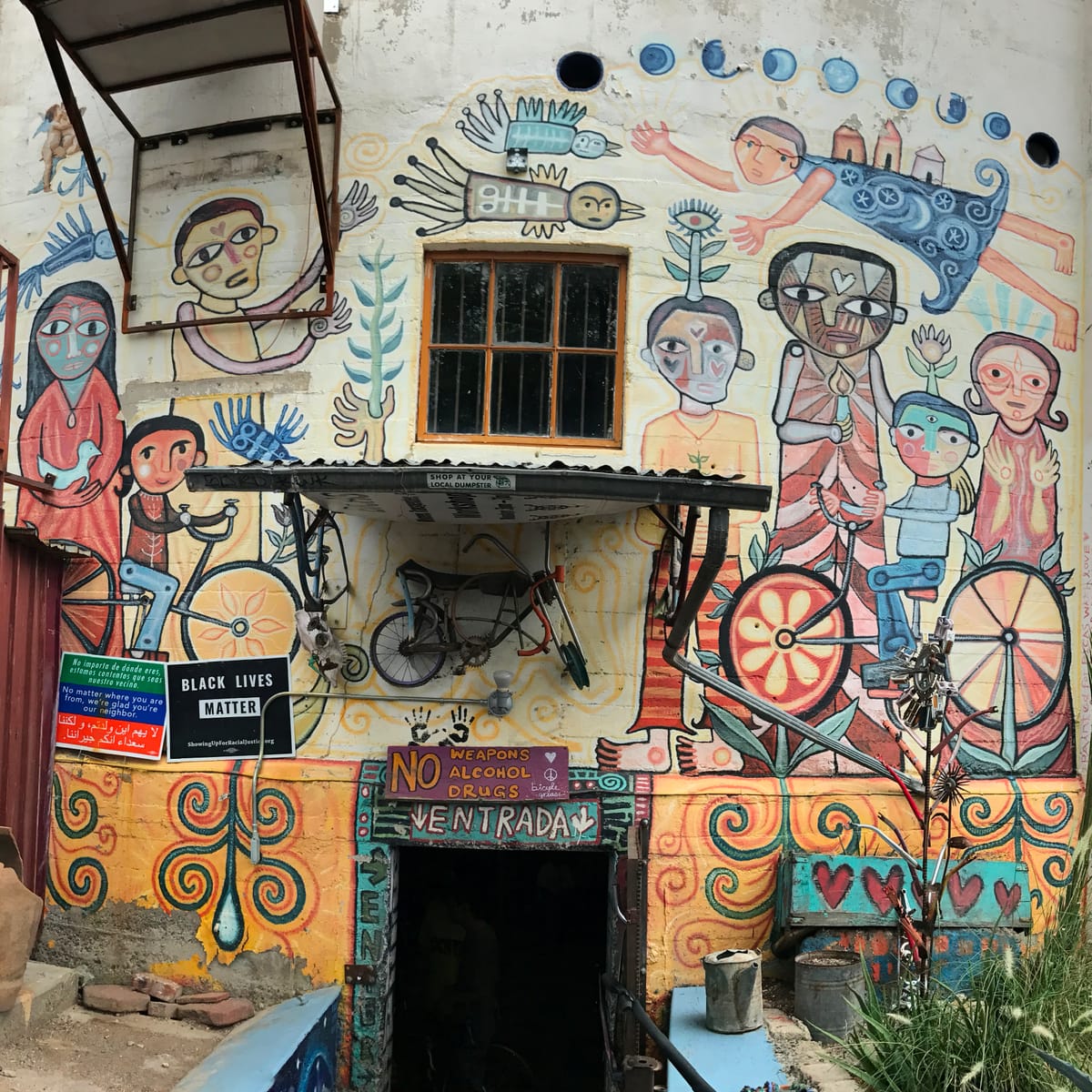
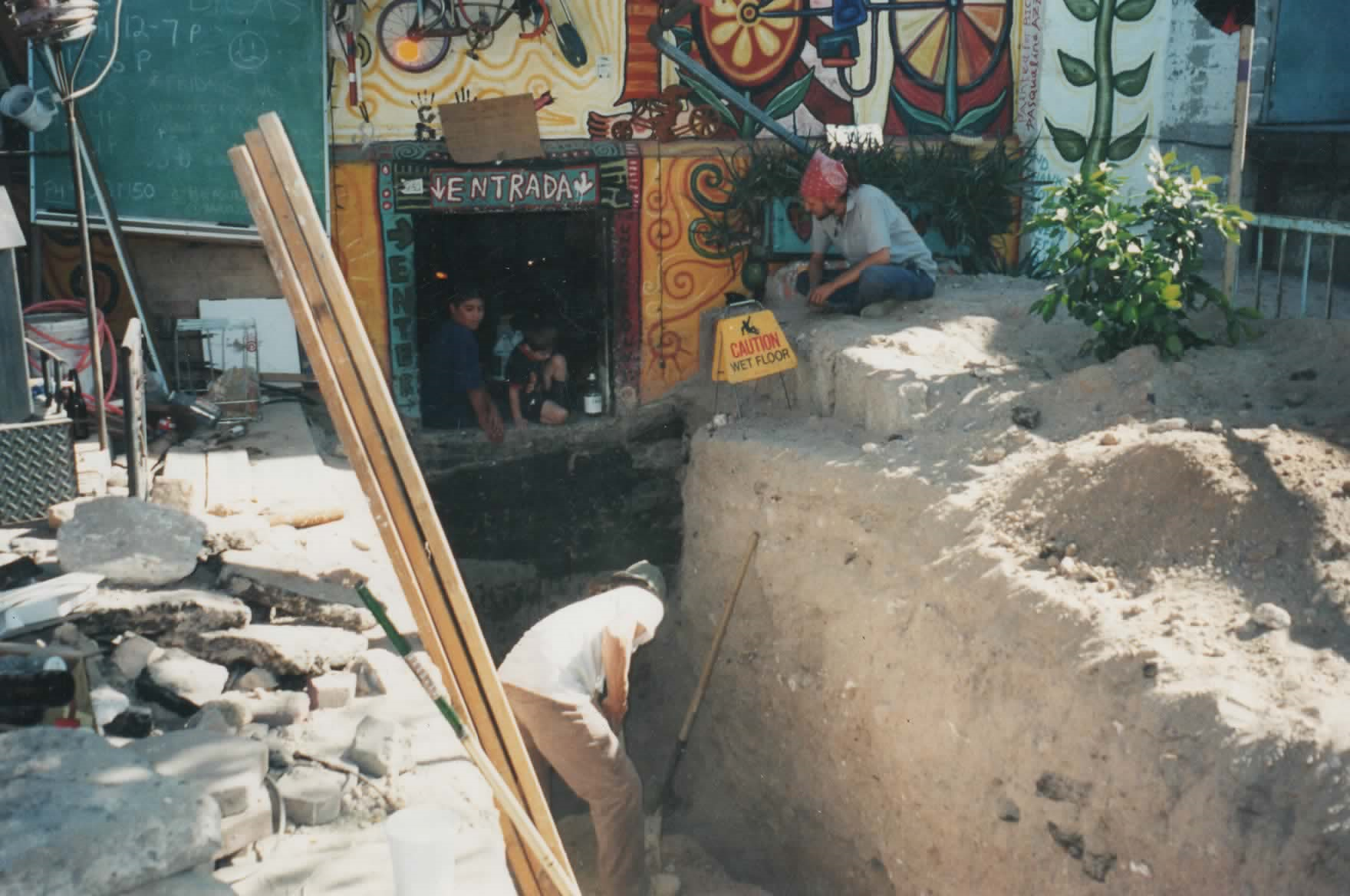
Enter BICAS! It's 1989. These Gen X scrappy little artist punk kids had an artist warehouse in a building downtown. It was a cool old building where a bunch of artists had studios rented out, and the basement level was unused. And they decided it should be a bike shop. They literally kicked in a window and figured out that the window was just wide enough for handlebars to get through it. That was the entrance and they called it the Underground Lair.
BICAS was heavily inspired by the Bikes Not Bombs movement, which basically wanted to promote self-resilient communities that have been touched by US imperialism, and they identified that the bicycle was the most effective way to do that. They could empower people to learn how to work on it, they could empower people to have their own means of transportation, the ability to haul things, for children to go to school. So they were definitely inspired by that.
And it’s 1989, so they’re Gen X kids who are like I’m not doing it. I’m not buying into the system. They named their nonprofit Bootstraps to Share, which I think is so funny, to the Boomer parents who would say, pull yourself up by your bootstraps. No bro, we have bootstraps to share, actually. I want my neighbors to have these things.
So it originally started to be a form of empowerment for unsheltered neighbors in Tucson, because they immediately realized that the same movement that Bikes Not Bombs was working on was already existing here in Tucson. There were a lot of metalworkers who worked there at the time, and they did a lot with creating little carts for neighbors that could carry their stuff and were able to hold weight. Redoing trailers, just really setting neighbors up for success and always offering an anti-capitalist option where if you didn’t have money, we always had that work trade option where they paid neighbors a fair amount for their labor. There’s always so much that needs help around the bike shop too. So that’s how people were able to access the transportation they needed.
Also because these were scrappy dumpster diver kids, they were like, don’t throw anything in the trash, that can still be good. And I think the really cool thing about BICAS, and it’s a huge testament to the cycling community here, is that everything in BICAS has been donated. When you’re in the shop, you look out at the sea of bicycle stuff—parts, full bikes, frames—it’s incredible to think that it’s all used and had a whole life and now has ended up here. It’s so cool.
It’s also a great place to get a really nice bike that maybe just needs some love. Maybe the shifting system just needs to be flushed. But it’s a quality bike. I’ve seen Gary Fishers come through, sitting back there for like 80 bucks, and I’m like, if someone spends $200 on this it would be worth $1,500.
So I think it’s a really cool place for neighbors to access quality things who otherwise wouldn’t be able to afford them. If your budget is $200, your options are Walmart, new. And that’s going to be something that maybe can’t be repaired, that’s not going to be quality parts. It’s not sturdy, reliable transportation. And we know that poor people deserve nice things too. So I think that BICAS is really special in that way.
It helps empower people through our community tools area, to learn skills, to keep themselves rolling, and also to maybe even share that knowledge, right? If you become really well-versed in what to do when your chain slips off and you teach your little neighborhood kid, they’re going to be pros at pulling back the derailleur to get it back on. And that’s cool. That’s self-reliance.
So how much of what happens at BICAS is bike sales and how much of it is donated or work for trade?
That's hard to say. I think it's pretty even. Because Tucson is such a huge cycling community, there's a wide range in that, yes, it's the only place where unsheltered neighbors can come through and do a work trade option. It's also the place where a lot of broke kids who are bike commuters and are just merely surviving capitalism, like myself maybe, can go for a tune up. There's a fair amount of middle-class neighbors who access the space. And then, of course, there's team spandex, so people who have a $15,000 carbon fiber bike and love to come in and dig through and see what kind of stuff they can find.
But it's safe to say that it relies largely on donations.
It is absolutely supported by the community, relies heavily on donations, both in kind and monetary. I would love to see us move away from chasing grants so much and being more community supported and doing more sustainer drives at different levels. Because the federal government is going to continue to fail. You know, a huge trouble that nonprofits saw last year was Trump destroying all of these social programs. That's not gonna get better, and people are still gonna need bikes. Especially as our country continues to wage war for oil, I think that bikes can actually be a really revolutionary option for transportation. Especially here in Tucson, where we do have the infrastructure that already exists.
So how did you end up at BICAS?
OK, I just have such a hard time doing work that I've decided is non-meaningful. It feels less and less like I have energy in my spirit to do that, and I was having a hard time finding employment for about two years for various reasons. I applied to BICAS on a long shot, because I didn't know anything about bicycle mechanics, but I sure as heck can talk to people. And they gave me a chance. They said, don't worry, we'll teach you, which is so BICAS.
And then when I was hired, I enrolled in their really awesome build-a-bike class, which is so cool. It's over a series of five weeks, and each week they talk about a different component system on the bicycle. So they'll go through hubs, they'll do a hub overhaul, they'll go through the drive train, talk about the bottom bracket, talk about cassettes and free wheels. And by the end, you get a full idea of how all of the mechanics work together.
So what is your role there?
I'm the Volunteer and Outreach Coordinator, and a shop mechanic, so it's kind of like three different roles, actually. In one, I manage the volunteer programming, so I'm organizing events, calling to community to join us for those events. And then I'm also doing outreach, which is a lot of community collaborations. I'm trying to think of new events, really trying to get BICAS out into the community to meet people where they're at, as opposed to being like, come in, come in. Because sometimes people can't come in, which is why I think doing bike repair at mutual aid distributions has been such a cool thing.
I love being able to do mobile mechanics, but even with the credit slips that we were giving out, I was noticing that people weren't coming back into the shop. So I was thinking the credit slips removed the barrier of the cost if people can't do the repair. But it's actually still not helpful, because if you stay in South Tucson, or if you stay by Armory Park, you still have to get above Downtown with a broken bike. And yes, the buses are free, but who watches your stuff if you're going to be gone for three hours or whatever? And I just realized that taking the cost barrier out of the way doesn't remove the barrier of getting into the shop, which can be hard for people who don't have a car and for so many other reasons.
Can you tell me a little more about doing bike repair with mutual aid groups?
For anyone who has not come through the shop, there is a high number of unsheltered neighbors who access this place. I would say that it's between, I think 60% feels like an accurate number. It's a large part of our customer base. Throughout the day, these neighbors also access it as a third space. It really is a space to come and do things and spend your time, and that feels really important to us, to continue to provide that.
We also support mutual aid groups and share a belief that people should have the things that we need. We know that a lot of unsheltered neighbors utilize bikes as transportation, and we want to support that. And so we started collaborating with ALMA first, and then expanded to joining CCT on Wednesdays. And it went really well. We got a mobile repair kit set up that is pretty well equipped to handle most things.
The trickiest part has been not always having what we need. I noticed a lot of people will have totally worn-out chains where I'm like, this is gonna continue slipping because the bushings are stretched. I don't have a chain, here's the credit, a $10 credit slip. Come in. We'll put a new chain on. Good to go. Or people's bikes are in such disrepair that it's really hard to do it on the fly without extra bits and bobs, without better light.
But I think that is one way that we can meet people where they're at and build trust with neighbors. I think when we first started, we saw people and we'd ask how's your bike? They're like, it's good, it's good. Don't take it from me. And I'll say, I'd love to put some air in the tires. I'll watch it for you while you go grab dinner. And they're like, oh, okay. So there's an element of relationship building too.
Maybe they don't feel safe to go into another bike shop. Not to say that the people there would be rude to them, but maybe they just don't have that relationship to feel safe enough to ask for help. It's a fair amount of social work also. Because people are coming in where they're at, it's really often not great, and oftentimes BICAS employees get the brunt of that.
But generally, there's a real communal sense, and I think a shared responsibility to this space that unsheltered neighbors have. They do our landscaping, not because we ask them to, but because they're like, I need to give back to you. We appreciate it. There is a shared respect for this space. BICAS means a lot to a lot of people in Tucson, for various reasons.
You were saying people use the BICAS space a lot, and I noticed when I was there that there is a lot offered, other than bike stuff. So can you tell us a little bit about what is there and why?
So we have effed around with trying to do a cooling station. It's tricky. When you leave a lot of people in a space and they are actively using drugs, they will use it as a safe use space. And that is what we're not able to offer. We're hoping to offer a cooling station. And so that's been tricky, because we just recognize there's more needs than we can offer, which is true for all mutual aid.
So what we did is, in the art gallery space, there's a very comfortable chair in front of an air conditioning unit, and people were able to spend as much time as they needed in there. We're hoping being in the Art Gallery felt sweet and nice. People would fall asleep there in that chair for hours, and that was really heartbreaking. I was so happy that we had that, but I think it just went to show how exhausted our neighbors are, especially in summer. You know, the BICAS building is not cool by any means, but it's about getting to a comfy chair and then feeling safe enough to actually relax.
We also offer a little lobby area where people can just hang out. We have bike books, and people are welcome to read there. We have a zine library that's filled with Indigenous history, leftist organizing tactics, DIY bike repairs. There's bike maps of all of the bike routes. There's a community board, which is a great place to promote events, cool things coming up.
And you offer hygiene supplies too, right?
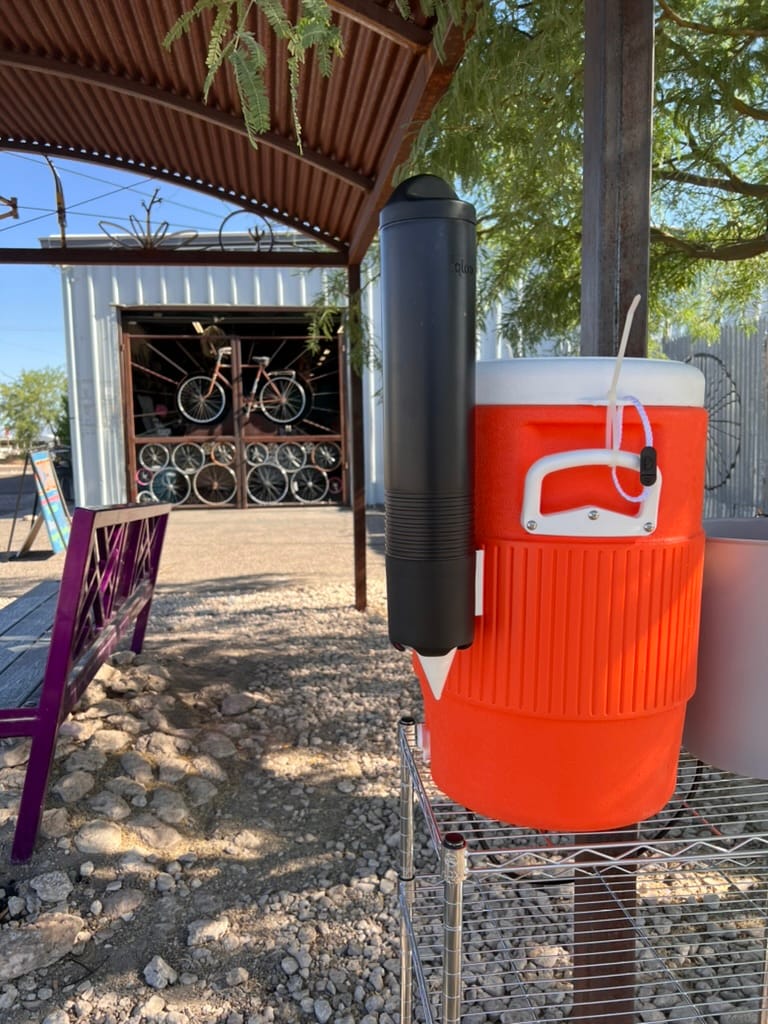
Yes, we have a period bar. So we offer menstruation supplies in our bathroom. There's a restroom that anybody can come in and use, no questions asked. We would like to expand to offering condoms and harm reduction. We have not done that yet. And now, after this summer, we have had a water station in partnership with Agua Para el Pueblo, and that went so well. We get so many cycling water bottles at BICAS that we usually just toss into our free box. It's been so nice to offer water bottles beneath our water station and see people stock up. And I always remind cyclists before they head out to top off their water. You can't always count on water fountains working.
We hope to expand what we can offer. Because BICAS owns our building, we're set up to be really supportive to community, because we aren't beholden to any property managers. We aren't beholden to a landlord that says, you know, I don't want anyone hanging out here, trespassing. Unsheltered neighbors are welcome to sleep outside after hours, they're so respectful of that.
When did BICAS move into the current warehouse?
In 2019, BICAS was displaced from its original building because of road construction. So they lost their lease, and they fundraised in 2019 to buy the building where we're currently at on Seventh. So we've been there now for six, seven years. And yeah, due to a recent community member donating, we've just finished paying off the mortgage, and so it is owned outright. We just have to continue to pay property taxes, insurance costs. It's really incredible.
I think we operate under a really awesome, non-hierarchical collective model, which feels really supportive. And, yeah, I think that there's a lot of potential. BICAS has already been so much to so many people, but I think there's still so much room for it to be so much more to more people. And I feel excited as the outreach coordinator to help plug in and figure out how we can do these things.
How can we help set up bike clubs at schools? How can we get a regular mobile repair that people can count on, maybe on the Southside? How can we get more bikes into the community? How can we do adult bike riding lessons or community bike rides? We did this really cool mural bike ride around downtown Tucson. So much fun. Tucson has so much cool art.
Yeah, we just want to create more opportunities for people to get outside, to connect to bikes, to connect with their neighbors through bikes, to learn about bikes and yeah, especially considering how the US wages war on on the Global South for oil and access to oil, I think that bicycles are really liberatory in freeing ourselves—also from the individualism of the car.
One thing that I like about BICAS is the fact that it's welcoming to anybody. Because I think, as someone who has bought a bike as an adult after a long period of time where I did not ride a bike, it was very intimidating.
Tate, literally, like I knew how to ride a bike, but I would not identify as a cyclist at all. Maybe I'd borrow a bike from someone to go on a trail ride with a friend, or borrow a bike from a friend to go somewhere. But I was absolutely intimidated, both as a femme person, but also as a non-cyclist. It's like, if you don't know, you don't know. BICAS is so not that place. It is so welcoming. There is no threshold of knowledge that you're expected to have. You don't know how to fix a flat or how to patch a tire? No problem. I didn't either when I worked there. The secret is you have to sand it down.
The fact that they hired you without a lot of experience with bikes is a testament, I think, to the belief that there is no monopoly on expertise. They want to share expertise.
And you can always build your skills. There are supports there in place. We have advanced mechanics trainings too. Every time I've requested a book, someone's like, oh, I have that. I'll lend it to you. You don't have to buy that. I mean, yeah, buy it from Antigone. But here, read it first. And that's been so sweet. You know, when I have had shifts in mechanics, co-workers have always been like, you good?
I have this running joke with my co-workers about bikes, because I'll ask clarifying questions like, how can you tell that that crankset won't fit? And they're like, well, you can tell by the way that it is. You can just tell. And if one more person says that to me... but it's true. The more that I learn about bikes, I'm like, oh, actually, you can just see by the way that it is. You start to learn how it's supposed to look. So yeah, my skills build, and so does my confidence in repairs.
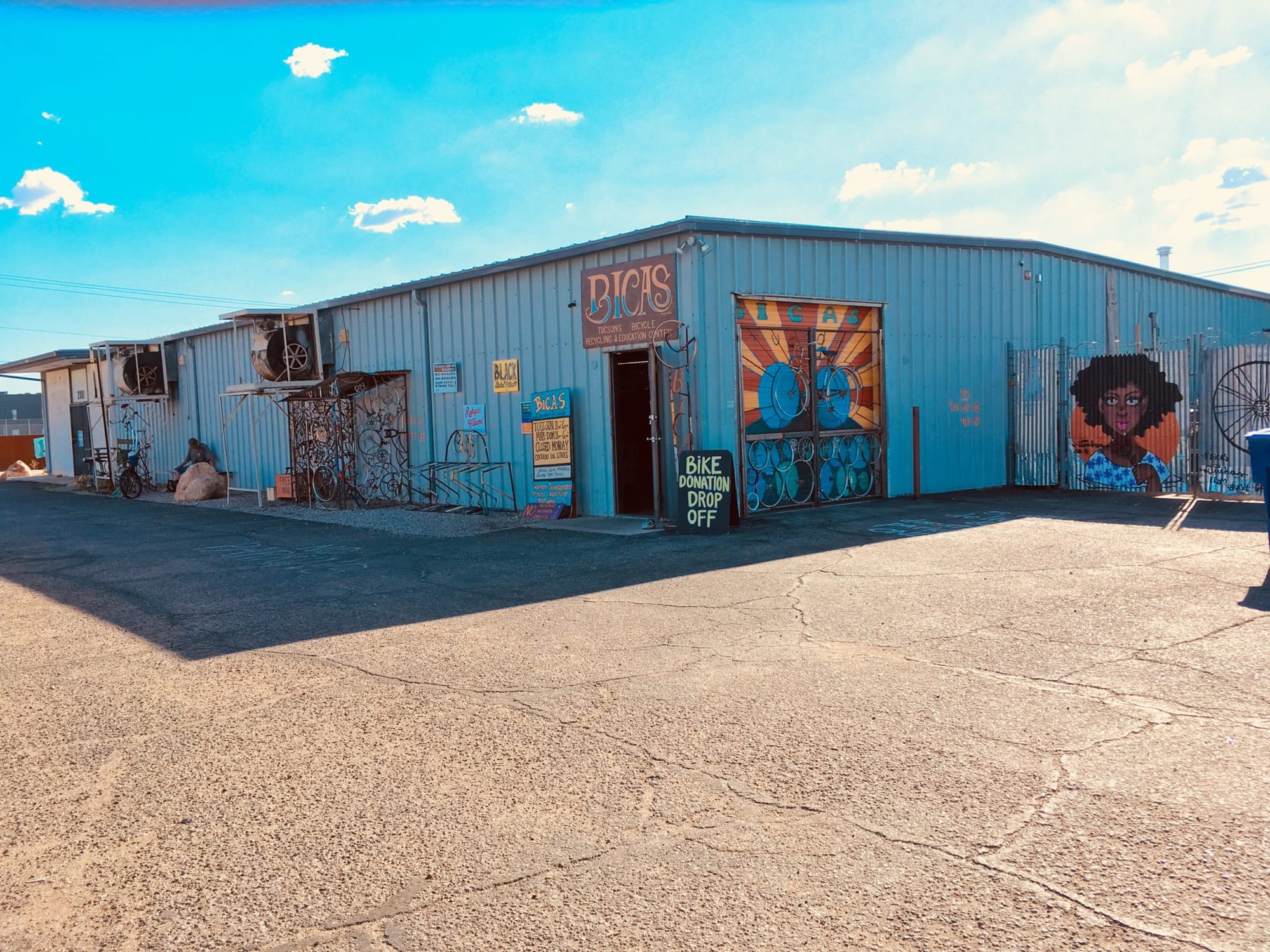
It's also been really cool to learn from femme mechanics. Most of my mentors at BICAS have been femme or non-binary people. Actually, two-thirds of them have been femme or non-binary people of color, which I think is really cool. Because it can be so uncomfortable to enter biking, especially when so many people are like outdoorsy guys, and I just need a bike because I have to get to work. I just want to ride. Like, maybe I want this piece of sustainability in my life or this independence, but I just don't know, and I feel unwelcome in these spaces.
Well, you mentioned that the bike culture can be a lot of men, it can be kind of bro-y. And personally, it's frustrating when members of the cyclist community become opponents in political fights, for example, kicking everybody out of 100 Acre Wood because they want to have a bike park.
Of course, because you can't just ride past neighbors who are camped along the side and say, "good morning!" My comfort matters more. My recreation matters more than you trying to survive and have some privacy.
But what would you want people to know about Tucson's bike culture that might be surprising? What are cyclists like in Tucson?
I think that there are definitely niches, like, you definitely see team spandex ride through Presta, right? They come in off The Loop, and then they go get their coffee, they have their $15,000 carbon fiber bikes. But something I like to do in Tucson is pay attention to the bike parking out front of a place. Like at Hop Shop, it's always popping. At Rocks and Ropes, it's always popping. Near Che's, it's always popping. And if you look at the type of bikes, you'll see a lot of steel frames, or those 80s Rock Hoppers. And then you see these, like, Tucson hipsters, probably a friend or people we would hang out with, and they have these cool bikes, man. It's not like this really nice carbon fiber racing bike. It's a little edgy, it's got some stank on it, it's chipped, you know, maybe they made a cute little bell charm on the back of it. I think that's really reflective of Tucson.
But overall, it has surprised me how welcoming the cycling community is. I am such a slow rider, and all of Tucson is on a slight hill. Going to work, I am pumping, I am trying. If I can ride, you can ride. And I have been so empowered to not only build my mechanic skills, but to ride, to go on bike rides with friends. They've made it so accessible to me. I'm going on a bike-packing trip this weekend with this really cool group called RAR, and they're lending me bike-packing gear. Oh, you don't have something? No problem. And I think that's really reflective of the Tucson cycling vibe and community. I've been a few places where I've had my bike flipped upside down, just checking something, and people pull over, like you good, you need a multitool? People check on each other, and I think that's also reflective of Tucson.
So you talked a little bit about this in terms of war for oil, which unfortunately we're seeing unfolding again right now. But I wonder why you think bikes in general are important as a justice issue. What's the connection between bikes and social justice?
One thing is you really have to pay attention, you have to notice things. You're so much more aware than when you just get in your car and you're driving. Even if you are paying attention as a driver, when you're riding, you're feeling the wind on your face, your hands are cold. This lady was walking into Goodwill, and I was like, your purse is really cute as she walked across and she's like, thanks. There's all these moments for connection with your neighbors. I have to make eye contact with drivers before I pull out into the intersection. I just notice all these different points of connection that become available.
Also I think bikes really are symbols for self-reliance, right? Like, it's your power you're putting into the bike. It is up to me to get to work. You know, it's not dependent on my car working or someone picking me up. I no longer have a car payment. I no longer have to pay insurance. I no longer have to worry about what my car insurance will cover if I get into an accident or something.
I think it's freeing myself up to use a human-powered form of transportation that is good for me and helps me remember the labor that it takes to do things. Getting groceries on just a bike is really hard to do. You have to be mindful of how much weight you're carrying. Is it balanced? Where are you going to strap it? As opposed to, I can get whatever I want, I can go to Costco, I can do all of these things. It really helps put in perspective what is possible when all you have access to is you and your power, your muscle, your ability to move things and not rely on anything else.
It definitely kind of reconnects you to the energy things take. Like, in a fossil fuel-based society, we've gotten so spoiled in assuming that there's this abundant energy supply that can get us anywhere we want. We don't have to really worry about it, because there are no consequences.
Or we're removed from the consequences.
Yeah, exactly. I also like what you were saying about how it's not as individualistic as cars. There's something anti-capitalist about biking, in the sense that, one, you have to interact with your community, like you were saying. And then you mostly don't have to participate in capitalism to do it.
You could go to BICAS, and do a work trade and earn $200 that you put towards a bike that you then fix at BICAS with your time and energy, and maybe you take a class, and you're just set up to have this whole form of transportation set up for you.
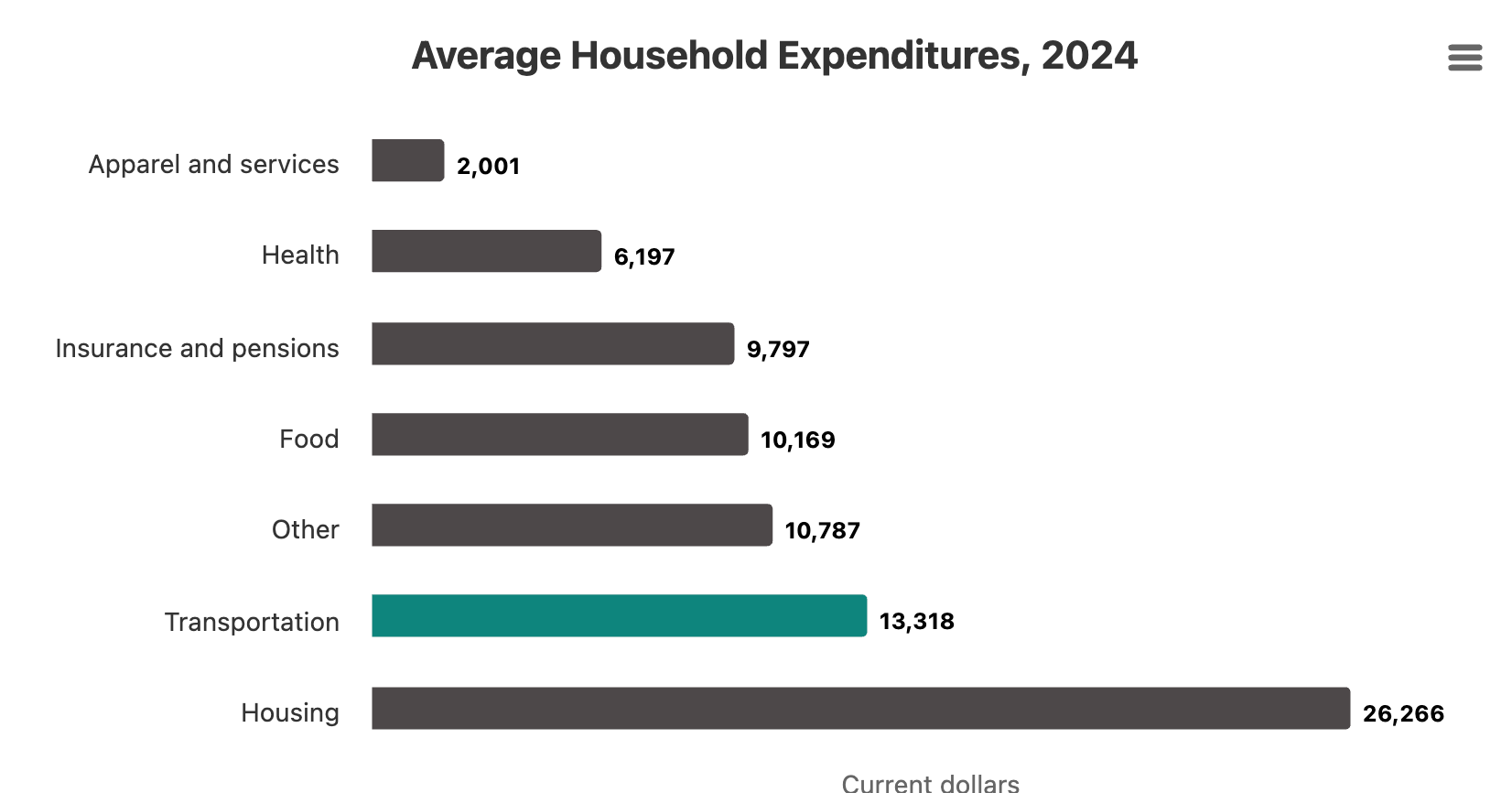
Which for many people, transportation is one of their top three or four expenses in their lives. So much of the work they have to do is so they can afford a car and gas.
If you don't have access to a car, it can be really hard to take the bus, if the bus is late, or it doesn't run as often as we need it to. I appreciate that it's free. I'm so grateful Tucson is one of the few cities in the US where transit is free. I hope they fight to keep it free, but we still have a lot of work to do.
Do you have any other frustrations in particular about the way the city government is operating right now? Bike-related frustrations or otherwise? I know that's a big question. Or you could frame it differently, as what you wish they would do better.
I wish that the Department of Community Safety, Health and Wellness—I think the people who work in their office are committed neighbors, and I think they're trying. I would like to see them stop collaborating with TPD. I would like to see them shift from forms of soft policing to supporting the community.
Related to bikes, a lot of frustration I see with the City of Tucson is how much they advertise that Tucson is so bikeable, and in a lot of ways it is, and in a lot of ways it's not. I don't know the exact ranking, but it's very highly ranked in numbers of pedestrian fatalities and cyclist deaths. And yes, it's great we have The Loop. And yes, it's great that we have historic places like BICAS, but it is not a safe place to bike, and that is true.
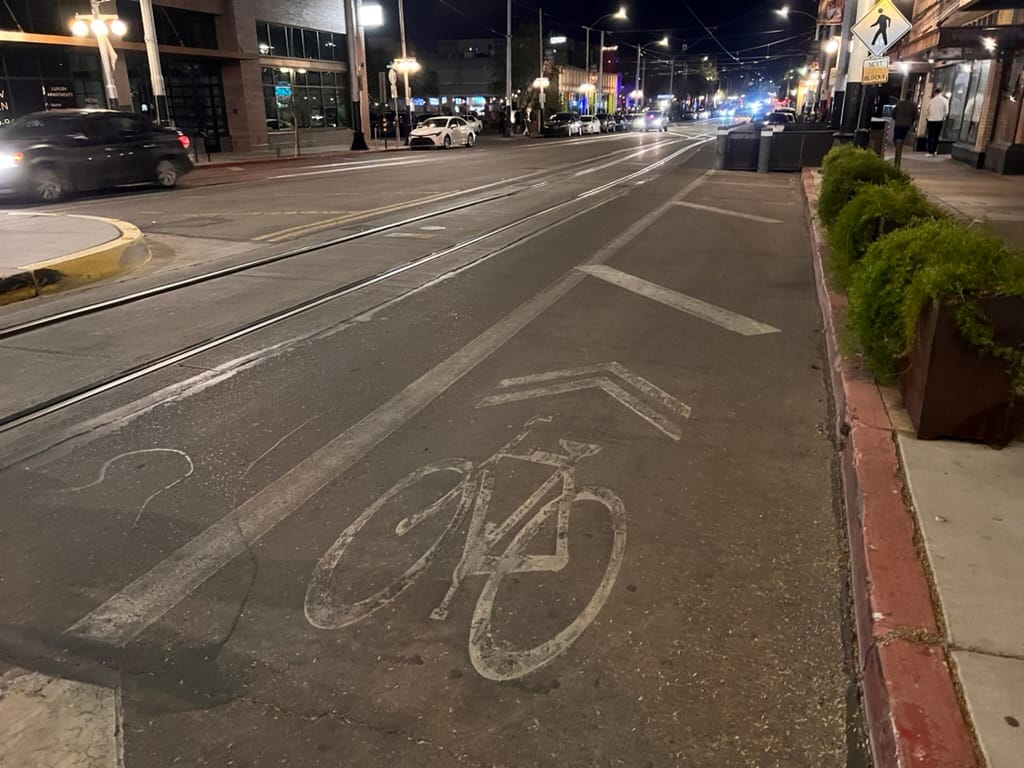
I'm grateful they're putting all those crossings at Grant. It's necessary and long overdue. But Fourth Avenue is a major north and south thoroughfare for cyclists, and it's so bumpy and uncomfortable. The streetcar tracks are really dangerous and have killed people and continue to hurt people. It's just not enough to say we're cycling friendly and not put in the real infrastructure for that to be true.
I think that LSA (Living Streets Alliance) is actually doing such incredible work, and I don't mean to diminish their work. I'm so grateful for their advocacy. But even with RTA, our Regional Transportation Authority is not following the experts at LSA, they are still seeking to center the car. They are still seeking to widen roads and create more lanes of traffic, when they know, they have researchers and experts in their field who know that actually doesn't alleviate traffic, it only adds to it. And unfortunately, I think that we don't see enough from the City of Tucson to promote better transportation.
So I want the bus to be free forever. I want them to create more transit routes like that Norte-Sur route that they just can't nail down. I want more infrastructure for biking on roadways to be created. I want to see the city invest in safe routes to schools for districts. And maybe going into communities and asking why kids aren't riding or walking to school, or why families don't feel safe or empowered to do that. If they're going to their neighborhood school, why is that not available? Is it because it's really not safe, or there's no sidewalks, or whatever. But I wish that we were doing more as a city to support human-powered forms of transportation, walking, riding, or even riding the bus.
Yeah the way I always think about it is like Tucson is a great place to ride a bike, except for the parts where it's not, and then it's terrifying.
If you're on The Loop, that's great, but that goes around the city, it's not actually practical for commuters that have to go east and west.
Yeah, it can't just be The Loop. I also think that a lot of times, in even in a city that loves riding bikes, the discourse is that they're a nuisance. There was this city council meeting recently, and Kevin Dahl referred to cyclists as urban deer, referencing a joke on a t-shirt, like, watch out for the urban deer. As though people who ride bikes are some kind of wildlife hazard. Does it feel to you at all like people who ride bikes are still kind of treated like, I don't want to say less than human...
Totally. Absolutely. You know, I try to not look super femme when I'm riding my bike, try and put my hair up or wear a really big jacket. People say crazy things, just driving past. Patriarchy is alive and well, sexism is alive and well. But there's something about being shouted at from a car that is like, particularly jarring or being whistled or honked at, even, and you're like, I can just give you a bird, but who's to say that you're not gonna pull over and be an asshole. I've had femme people talk about getting followed where they completely ride the opposite direction and cars will ride with them.
And I think that there's a real lack of awareness with drivers on how to be courteous to cyclists or to pedestrians, even cars scooting up as someone's crossing the road. Maybe your intention is to stop, but if you're crossing the street and a car is even just inching towards you, that doesn't feel good. So, yeah, that's a real bummer.
Two quick follow up questions. What is one thing that you would advise cars to do when they're interacting with cyclists? And what is one bike safety tip?
Give space. If the road is not narrow enough for you to give at least five feet of space to a bicyclist and go around them, go slower and share the road. Ride behind bikes. It's okay. Maybe don't take bike routes when you're driving a car. If it's been raining, don't spray them. I've been sprayed. It fucking sucks when you're soaked and cold. It's a bad time. Yeah, look out, eyes up on the road.
For cyclists, I think the biggest thing I've learned is that you can't count on cars to watch out for you. You really need to be making eye contact with drivers to make sure they see you, that they understand you are going. Bring water. Bring water, even on cold days. I've made the mistake of oh, I'll just get water there. Always have water with you when you're riding. You can get a water bottle cage at BICAS for $1 and we usually have free water bottles. And wear a helmet. They're nerdy, but they'll save your life.
Okay, I want to get to a close here, but one thing I wanted to ask is, what is the importance of a bike to somebody who is lower-income or unhoused? What's the impact of having a working, dependable bike?
Immense. It's immense. I've seen it change people's lives. I'm thinking of one neighbor who came in because they had just moved to Tucson. They had an interview for a job next week. They got a bike, got it fit for them. They were really proud of it. They had no money. They hadn't started their job yet. They continued to come back to BICAS to take classes. They were tinkering on their bike. They actually got really familiar with bike mechanics. Now they're coming in and volunteering, and it feels super important to them. But I see how this person, who knew how to ride a bike, but definitely did not feel welcome in the cycling world, got a bike that they were really proud of and excited about, and that carried through into their excitement for cycling and for their bike.
There's something about fixing your bike that makes you just feel like you can do anything. It's just really empowering to be able to choose a bike, to fix it, and then come back to build your skills. And now this person, I assume they got the job because they use their bike to commute. I think they have secured housing, and now they have a job. They have a reliable way to get to the job. And they did it at BICAS.
It's cool to be proud of something like that.
Totally, especially when you're coming out of jail or you're moving away from family, or you just got housing. Having a place to go—I think some people think of it as kind of like their job. It's a sense of purpose and a sense of a commitment to a place, where they know that neighbors know them by name and are excited to see them and are not holding the viewpoint that they have to watch them when they come into the store because they might steal. Oh, you want that hub? Take it, awesome. You have 20 bucks? Great. The price is now 20 bucks.
I think for the first time in my life, it is so cool to work with other individuals who want to live in the world that I want to live in one day. And we know it doesn't exist yet, but we're actively creating it together at BICAS. And it's nice to be able to count on my neighbors being in solidarity with their neighbors as well, and wanting them to have things. You know, nobody's looking to turn a profit. Off of some people, we are absolutely. But it's because we believe in mutual aid, and we know that that person has extra money to spend. Sometimes people need a little extra encouragement to share their money, and I'm happy to do that. So happy to encourage you to give me your money.
It does make you think how many other important parts of our society could work as something more like BICAS. Like, imagine if you had a food co-op that worked more like a co-op, where people could show up and do exchanges, have adjustable rates for food, or trade work for food. There's any number of things where you could create something that is a lot more like the world you would like to live in.
Totally. BICAS is that co-op that already exists. I hope every Tucsonan takes advantage of it. It's a great place to get a bike, connect with your neighbors around bikes, learn more about your bike.
Anything else?
I think that's it. Come to BICAS. Come get a bike. Ride your bike. Be brave enough to ride it. Yay.
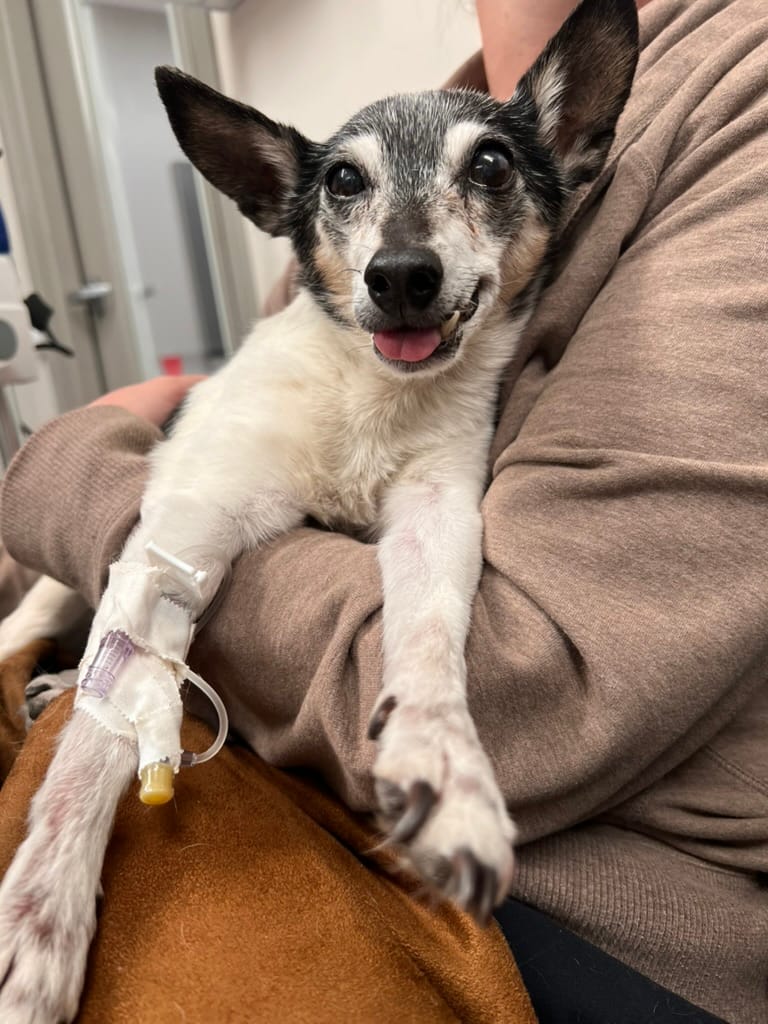
There you go, pretty good, right? Ronnie is super cool. Happy MLK Day. Got this one out a little later than I'd hoped because our senior dog had a couple of seizures so we spent like 10 hours at the emergency vet this weekend only to find that she is somehow a perfect picture of dog health. So she's on meds now and is otherwise doing OK. Here's a cute picture of her on drugs.
OK that's all, byeeee.
Tate